
Why a Reliable Plumbing Contractor is Essential in Modern Communities
Modern communities depend on infrastructure that quietly supports daily life, and plumbing systems are at the center of that reliability. From residential homes to commercial facilities, water delivery, drainage, and heating systems must function consistently to avoid disruption, damage, and health risks. When these systems fail, the impact is immediate and often costly, affecting everything from sanitation to business operations.
A qualified plumbing contractor plays a critical role in maintaining this balance. Their work extends beyond simple repairs, involving system design, installation, inspection, and long-term maintenance that keeps water systems operating safely and efficiently. Without this level of professional oversight, even minor issues can escalate into significant structural and financial problems.
In many households, water usage reflects just how vital these systems are. According to Plumbing Manufacturers International, the typical American family of four uses approximately 400 gallons of water per day, underscoring the scale of demand placed on residential plumbing systems and the importance of proper system management. This level of usage requires consistent oversight from a skilled plumber to ensure safety, efficiency, and reliability across all components.
Maintaining Community Infrastructure With Professional Plumbing Support
Maintaining Safe Water Distribution Systems
A dependable plumbing network is essential for delivering clean water and removing waste safely from homes and businesses. A plumbing contractor ensures that pipes, valves, and fixtures are correctly installed and maintained so that water quality is not compromised at any point in the system. This includes identifying leaks, monitoring pressure inconsistencies, and verifying that distribution lines remain free from contamination risks.
In older communities, infrastructure often includes aging pipes and outdated materials that require careful attention. A qualified plumber evaluates these systems and makes necessary upgrades or repairs to maintain compliance with modern safety standards. This oversight helps prevent water contamination events and ensures that residents have consistent access to safe water.
Reliable water distribution also supports public health by minimizing the risk of bacterial growth or backflow issues. When systems are not properly maintained, contaminants can enter clean water lines, creating serious health hazards. Through regular inspection and maintenance, a plumber helps prevent these risks before they become widespread problems.
Reducing Risk of Costly Property Damage
Water damage is one of the most expensive and disruptive issues property owners face. Small leaks behind walls or under flooring can go unnoticed for long periods, eventually leading to structural deterioration, mold growth, and extensive repair costs. A plumber is trained to identify early warning signs that might otherwise be missed during routine property use.
By addressing minor issues before they escalate, a plumbing contractor helps protect both residential and commercial structures from long-term damage. This includes repairing worn pipes, replacing faulty fixtures, and ensuring that drainage systems function properly under varying conditions. Preventative attention significantly reduces the likelihood of emergency repairs.
In addition to structural protection, early intervention also helps maintain property value. Buildings with well-maintained plumbing systems are less likely to suffer from hidden damage that can affect resale value or tenant satisfaction. Regular professional oversight ensures that systems remain stable and dependable over time.
Diagnosing Plumbing System Design and Repair Needs With Expertise
Accurate Diagnosis of Plumbing Failures
Identifying the root cause of plumbing issues requires more than surface-level inspection. A plumber uses technical knowledge and diagnostic methods to determine whether problems stem from pipe corrosion, pressure imbalance, or system blockages. This accuracy prevents unnecessary repairs and ensures that solutions address the actual cause of failure.
Misdiagnosed plumbing issues often lead to recurring problems that worsen over time. For example, treating a symptom without identifying the underlying issue can result in repeated leaks or system inefficiency. A plumber reduces this risk by conducting thorough evaluations before beginning repair work.
This level of expertise is especially important in complex systems where multiple components interact. Heating systems, water lines, and drainage networks must all function together seamlessly. Proper diagnosis ensures that repairs restore full system performance rather than temporarily masking issues.
Proper Installation of Fixtures and Equipment
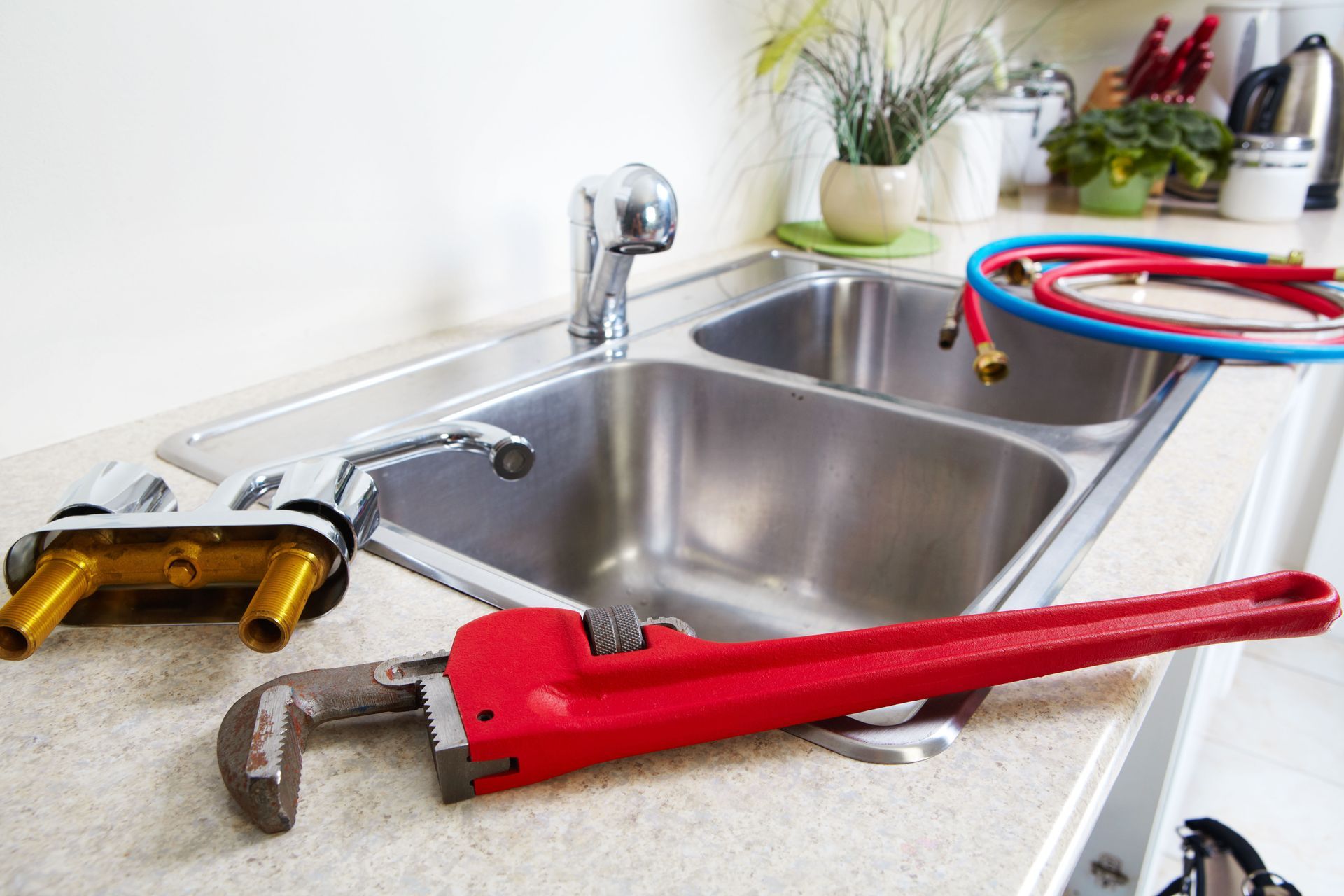
Installation quality directly impacts the performance and lifespan of plumbing systems. A plumbing contractor ensures that fixtures, pipes, and equipment are installed according to industry standards and manufacturer specifications. This includes everything from sinks and faucets to water heaters and drainage assemblies.
Incorrect installation can lead to persistent leaks, inefficient water usage, and premature equipment failure. A plumber reduces these risks by applying precise installation techniques and verifying system integrity before completing a project. This attention to detail ensures long-term reliability.
The installation process also includes testing and adjustment to confirm proper function. Water flow, pressure levels, and drainage efficiency are all evaluated to ensure the system operates as intended. This step is essential for preventing future complications and maintaining consistent performance.
Handling Complex Water and Heating Systems
Modern plumbing systems often integrate water distribution with heating infrastructure, requiring specialized knowledge to manage effectively. A plumber is trained to work with these interconnected systems, ensuring that both water delivery and heating functions operate efficiently.
This includes servicing water heaters, repairing heating lines, and maintaining system balance across multiple components. Complex systems require careful calibration to avoid inefficiencies or operational conflicts. A plumber ensures that each component works in harmony with the rest of the system.
In many cases, advanced heating and water systems require ongoing monitoring to maintain performance. A plumber provides the necessary expertise to manage these systems over time, reducing the likelihood of unexpected breakdowns or inefficiencies.
Building Long-Term Value With a Reliable Plumbing Partner
Preventive Maintenance and System Longevity
Preventive maintenance is one of the most effective ways to extend the life of plumbing systems. A plumbing contractor performs routine inspections, cleaning, and adjustments that help identify potential issues before they become serious problems. This proactive approach reduces repair costs and improves system reliability.
Over time, even well-installed systems experience wear due to constant use. Pipes may corrode, seals may weaken, and fixtures may degrade. Regular maintenance ensures that these issues are addressed early, preserving overall system integrity and preventing major failures.
A plumber also helps property owners plan for long-term system upgrades when necessary. By monitoring performance trends, they can recommend improvements that enhance efficiency and reduce long-term maintenance needs.
Emergency Response and Rapid Restoration
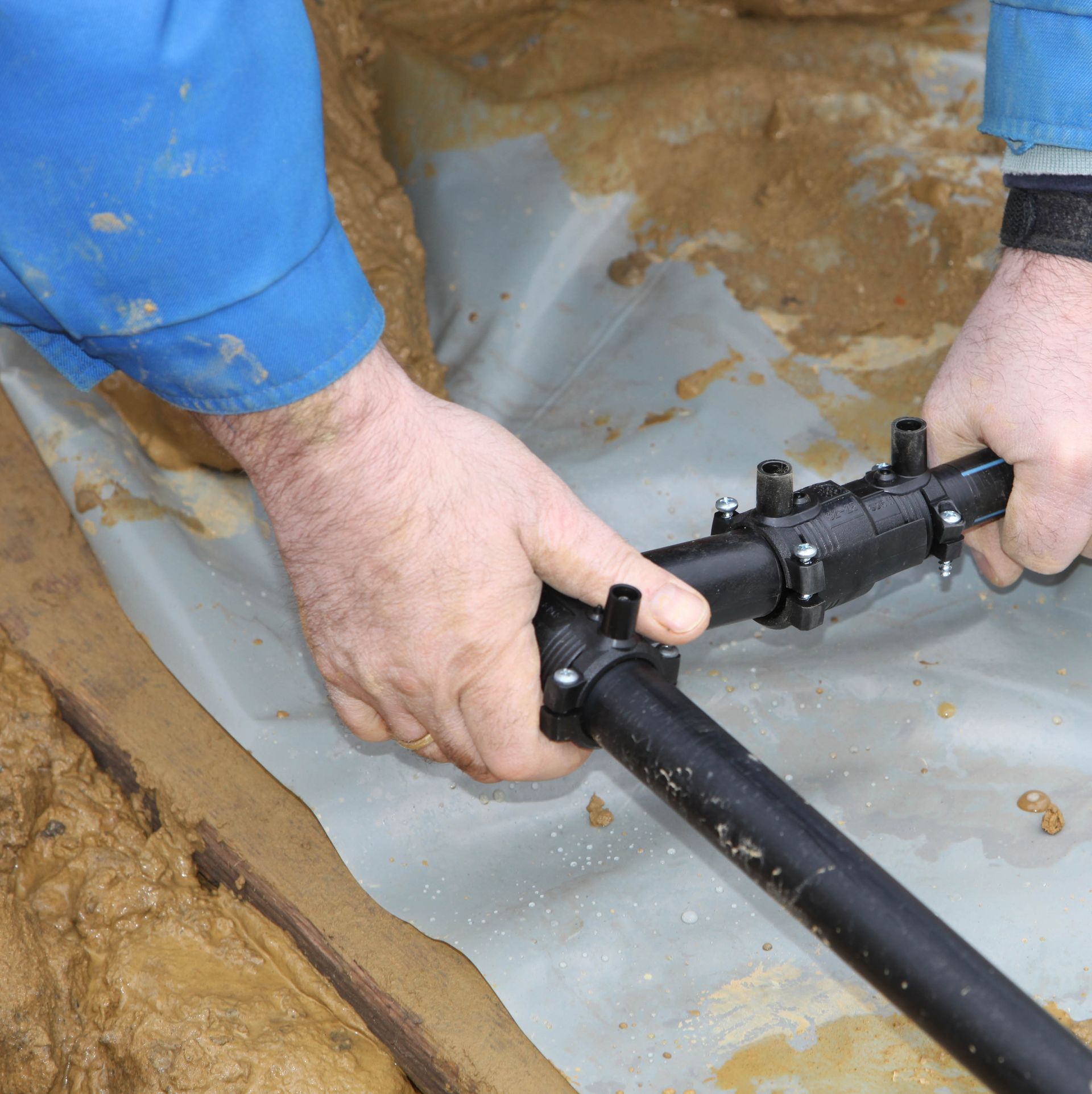
Plumbing emergencies often occur without warning and require immediate attention to prevent extensive damage. A plumbing contractor provides rapid response services to address issues such as burst pipes, severe leaks, and system failures. Quick intervention minimizes disruption and reduces repair costs.
In emergencies, time is a critical factor. Water damage can escalate quickly, affecting flooring, walls, and electrical systems. A plumber acts swiftly to isolate the problem, stop further damage, and begin restoration work as soon as possible.
Reliable emergency support also provides peace of mind for property owners. Knowing that professional assistance is available when needed helps reduce stress and ensures that problems are resolved efficiently.
Reliable plumbing systems are essential to the stability and functionality of modern communities. From ensuring safe water distribution to preventing costly property damage, professional oversight plays a central role in maintaining these systems at every level. Without consistent attention and expertise, even small issues can develop into larger structural and financial concerns that affect both residential and commercial properties. Through preventative care and timely intervention, skilled plumbers help property owners avoid unnecessary disruptions while extending the lifespan of critical infrastructure. For an expert plumbing contractor your community can count on, reach out to G & L Plumbing Inc!
Share On: